
G-Switch 1, 2 and 3: What Changed in Each Game and Which One to Play
Published · 1 min read
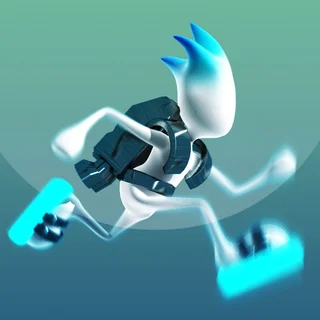
G-Switch (2010)
The original is a straight corridor of rails. Every crossing is vertical, so the timing is the same shape all the way through and the game is about reading the track a few obstacles ahead. Story mode, Endless, and a 2–6 player race. It is the one to learn on, and it is served from this domain so it loads instantly.
G-Switch 2 (2013)
The sequel bends the rails. Curves and loops mean the runner's direction changes with the track, and a flip in a curve lands somewhere very different from a flip on a straight. It adds a fresh story campaign, keeps Endless, and grows the local multiplayer to eight runners. It is harder than the first game, mostly because of the curves.
G-Switch 3 (2017)
The third game is the most polished: brighter art, new hazard types, a story mode with a proper difficulty curve and the eight-player race. The core control has not changed in seven years — one key, gravity flips — which is the clearest sign the original design was right. Play it once you are comfortable with the curves in G-Switch 2.
What about G-Switch 4?
G-Switch 4: Creator is built around user-made levels that load from the developer's servers, and that service only answers the official sites, so it is not on this one. The three games above are complete and self-contained.
More from the blog
- G-Switch Timing Guide: When to Flip, Why the Crossing Is Always the Same Length, and How to Stop Falling Behind
The one thing G-Switch tests is the timing of a single key. Here is how the crossing works, where to look, and the two mistakes that end most runs.
- G-Switch Multiplayer: Six People, One Keyboard, and the Rules That Keep It Civil
How the 2–6 player race is set up, which keys to give whom, and why the player in front is usually the first one out.